





LinkedIn Games: The Unexpected Way Professionals Are Boosting Engagement and Skills

Introduction: Why LinkedIn Games Are Suddenly Everywhere
If you’ve logged into LinkedIn recently and noticed people talking about puzzles, challenges, or daily games, you’re not imagining things. LinkedIn games have quietly become one of the most talked-about features on the platform. What started as a professional networking site focused on résumés and job posts has evolved into something far more interactive. Today, LinkedIn games are reshaping how professionals engage, learn, and even get noticed.
At first glance, the idea of playing games on LinkedIn might sound strange. Isn’t LinkedIn supposed to be serious? All suits, job titles, and corporate language? That’s exactly why LinkedIn games work so well. They break the monotony. In a feed filled with career advice and company updates, games introduce curiosity, fun, and human connection. And surprisingly, they do it without compromising professionalism.
From daily word puzzles to logic challenges, LinkedIn games are designed to sharpen the mind while encouraging interaction. People share scores, compare strategies, and spark conversations that go far beyond small talk. For many users, these games have become a daily ritual—like coffee for the brain before diving into work emails.
More importantly, LinkedIn games align perfectly with modern workplace trends. Employers value problem-solving, adaptability, and continuous learning. Games tap directly into these skills in a low-pressure environment. You’re not being tested in an interview; you’re playing. Yet, learning still happens.
In this article, we’ll explore what LinkedIn games really are, why they’ve gained popularity so quickly, and how they fit into the platform’s professional ecosystem. We’ll also examine their role through the lens of E-E-A-T (Experience, Expertise, Authority, and Trust), ensuring this is not just hype but a credible shift in professional engagement.
What Are LinkedIn Games? A Simple Explanation
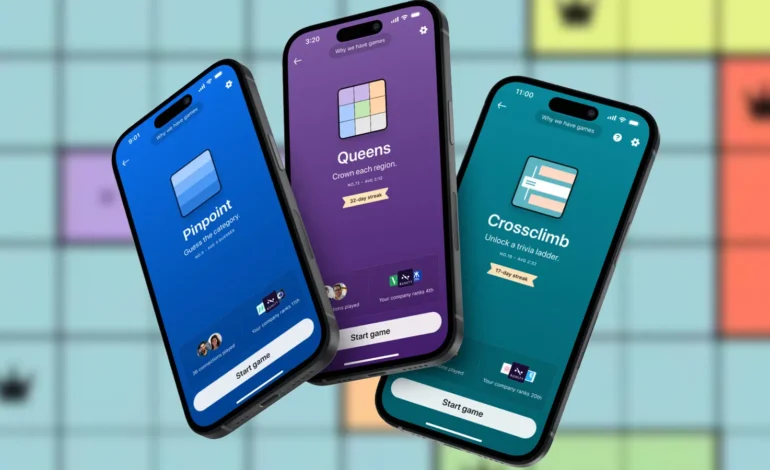
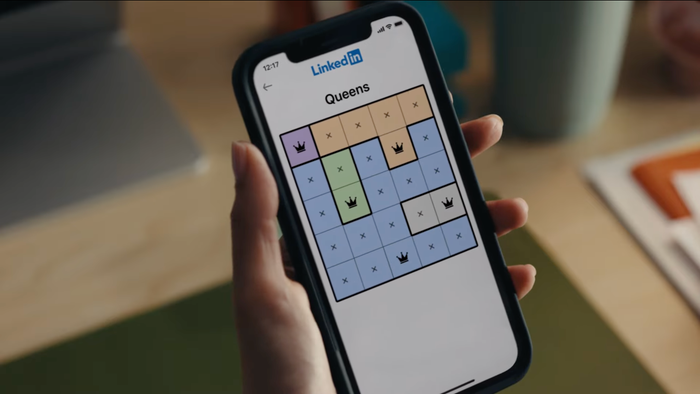
LinkedIn games are interactive, browser-based challenges available directly within the LinkedIn platform. They are designed to be quick, mentally stimulating, and socially engaging. Unlike traditional mobile games, LinkedIn games focus less on entertainment and more on cognitive skills like logic, language, strategy, and reasoning.
The key difference is intention. LinkedIn games aren’t meant to waste time. They’re built to add value—whether that’s sharpening your thinking, encouraging networking, or simply giving your brain a productive break. Most games can be completed in just a few minutes, making them perfect for busy professionals.
The Evolution of LinkedIn From Networking to Interactive Learning
LinkedIn has been evolving for years. What began as a digital résumé platform gradually expanded into content creation, online learning (LinkedIn Learning), and community building. Adding games was a natural next step. Professionals today don’t just want static content; they want interaction.
Games turn passive scrolling into active participation. Instead of just reading someone else’s post, you’re doing something. You’re thinking, solving, competing, and sharing. This shift aligns with how people consume content in the modern digital age.
Why Games Belong on a Professional Platform
Games might seem out of place on a professional network, but when you look closer, they make perfect sense. Work itself often feels like a game—solving problems, meeting challenges, achieving goals. LinkedIn games mirror these dynamics in a simplified, engaging format.
They also humanize professionals. When you see a CEO or recruiter sharing their game score, it breaks down hierarchy. Suddenly, conversations feel more natural. That’s networking at its best—authentic, relatable, and memorable.
The Psychology Behind LinkedIn Games
Why do people keep coming back to LinkedIn games? The answer lies in psychology. Humans are wired to enjoy challenges, progress, and rewards. LinkedIn games tap into these instincts without triggering guilt or distraction.
Why Professionals Love Playing Games at Work
Professionals often feel mentally drained by constant meetings and emails. A short game offers a mental reset. It’s like stretching your brain between tasks. Instead of scrolling social media mindlessly, you’re engaging in something constructive.
Games also provide a sense of achievement. Completing a puzzle or improving your score feels good. That small win can boost motivation and focus for the rest of the day.
Gamification and Dopamine: The Science Explained
Gamification triggers dopamine—the brain’s “reward” chemical. Each correct move or completed challenge releases a small dose of satisfaction. LinkedIn games use this mechanism responsibly. There are no endless levels or addictive loops. Just enough reward to keep you engaged without pulling you away from work.
This balance is crucial. It builds trust with users, reinforcing LinkedIn’s reputation as a professional-first platform.
Popular Types of LinkedIn Games You Should Know
LinkedIn offers a variety of games, each designed to target different skills. Understanding these categories helps you choose games that align with your goals.
Puzzle-Based LinkedIn Games
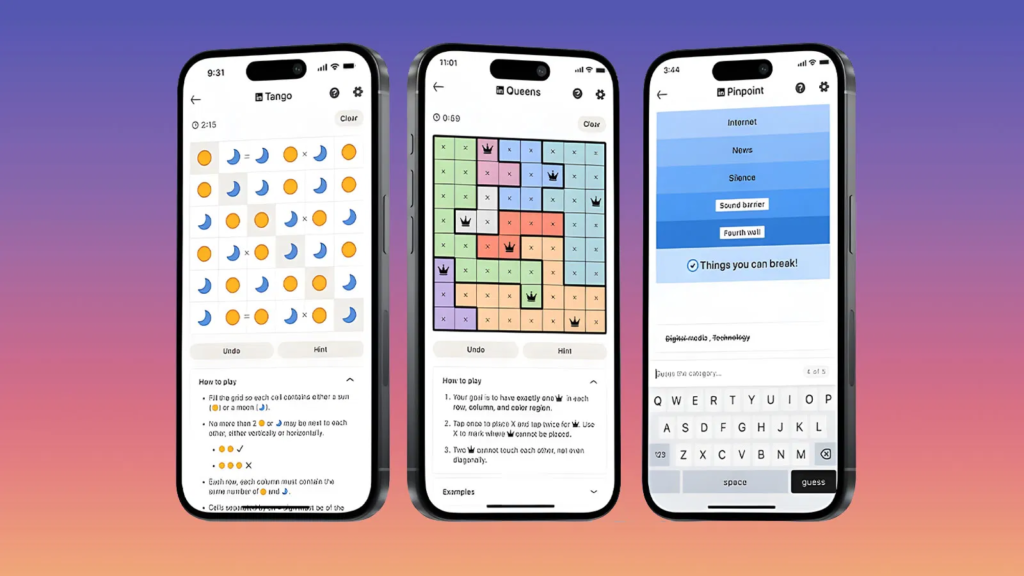
Puzzle games are the most popular. They challenge logic, pattern recognition, and problem-solving abilities. These games often involve words, numbers, or visual patterns.
Word, Logic, and Strategy Games
Word games improve vocabulary and language skills, while logic puzzles train analytical thinking. Strategy games encourage planning and foresight. Together, they simulate the kind of thinking required in real-world professional scenarios.
Knowledge and Skill-Based Games
Some LinkedIn games test industry knowledge or general business concepts. These are especially valuable for continuous learning and self-assessment.
Industry-Specific Challenges
Imagine a marketing quiz or a data-analysis puzzle. These games allow professionals to validate and sharpen their expertise in a fun, low-risk way.
Social and Competitive Games
Competition adds excitement. Leaderboards and shared results encourage friendly rivalry and conversation.
Leaderboards, Sharing, and Community Play
When people share scores, they invite interaction. Comments turn into discussions, and discussions turn into connections. That’s the real power of LinkedIn games.
How LinkedIn Games Improve Professional Skills
LinkedIn games are not just entertainment. They actively contribute to skill development, often without users realizing it.
Critical Thinking and Problem-Solving
Every game presents a problem that needs solving. You analyze information, make decisions, and adapt strategies. These are the same skills used in project management, leadership, and innovation.
Communication and Collaboration Skills
Some games spark conversations and teamwork, especially when shared within teams.
Learning Soft Skills Without Realizing It
Soft skills are hard to teach but easy to practice through games. Patience, persistence, and creative thinking all come into play naturally.
E-E-A-T in LinkedIn Games: Experience, Expertise, Authority, Trust
E-E-A-T is often discussed in content and SEO, but it applies to features like LinkedIn games as well.
How LinkedIn Ensures Game Quality and Credibility
LinkedIn designs and curates its games with professionals in mind. The platform’s authority ensures that games align with educational and cognitive goals rather than pure entertainment.
Why E-E-A-T Matters Even in Games
Users trust LinkedIn. That trust extends to its games. When professionals engage, they know their time is respected and their data is safe. This trust is essential for long-term adoption.
How Businesses and Recruiters Use LinkedIn Games
LinkedIn games are not just for individual users looking to sharpen their minds or have a little fun during breaks. Businesses and recruiters are increasingly recognizing the value of these games as subtle yet powerful tools for talent discovery, employer branding, and engagement. In a competitive job market where traditional résumés often fail to show the full picture, LinkedIn games offer something refreshingly different.
Recruiters today want more than qualifications on paper. They want to understand how candidates think, solve problems, and react to challenges. LinkedIn games provide indirect signals of these qualities. When a user consistently engages with logic or strategy-based games, it reflects curiosity, analytical ability, and a growth mindset. While games are not formal assessments, they complement traditional hiring methods by adding context to a candidate’s profile.
From a business perspective, LinkedIn games also enhance employer branding. When companies encourage employees to participate and share their game activity, it creates a culture of learning and openness. It sends a clear message: “We value creativity, critical thinking, and continuous improvement.” That message resonates strongly with modern professionals, especially younger talent entering the workforce.
Hiring Assessments and Talent Discovery
Some organizations are experimenting with gamified hiring processes inspired by LinkedIn games. While LinkedIn itself does not directly rank candidates based on game performance, recruiters observe engagement patterns.
Gamified Recruitment in Action
Imagine two profiles with similar qualifications. One is static, rarely active. The other engages with LinkedIn games, shares insights, and interacts with others. The second profile naturally stands out. Games become conversation starters during interviews, allowing candidates to explain their thought processes and problem-solving approaches in a relaxed, authentic way.
LinkedIn Games for Learning and Development (L&D)
Learning and development has shifted dramatically in recent years. Long training sessions and dense manuals are being replaced by microlearning and interactive experiences. LinkedIn games fit perfectly into this new model.
Games allow professionals to learn by doing. Instead of passively consuming information, users actively engage their brains. This leads to better retention and deeper understanding. For organizations, this means employees develop skills without feeling overwhelmed or bored.
Upskilling Through Play
LinkedIn games encourage continuous improvement. A daily puzzle or challenge becomes a habit. Over time, these small cognitive workouts add up, strengthening mental agility and adaptability—skills that are essential in fast-changing industries.
Real-World Use Cases in Corporate Training
Many companies now integrate gamified elements into their internal training programs. LinkedIn games serve as inspiration for this approach. They show that learning doesn’t have to feel like work. When employees enjoy the process, participation increases, and results improve.
How to Get Started With LinkedIn Games
Getting started with LinkedIn games is simple, even if you’re not particularly “tech-savvy.” The platform is designed for ease of use, ensuring that anyone can jump in without a learning curve.
First, log in to your LinkedIn account and explore the games section when available. Choose a game that matches your interests—word puzzles, logic challenges, or strategy-based games are all great options. Start small. One game a day is enough to experience the benefits without distraction.
Step-by-Step Guide for Beginners
- Open LinkedIn on desktop or mobile
- Navigate to the games section
- Select a game that appeals to you
- Play, learn, and enjoy the challenge
- Share results if you feel comfortable
Best Practices to Maximize Value
Treat LinkedIn games as a tool, not a time-filler. Reflect on how you approach challenges. Notice patterns in your thinking. Engage with others respectfully. This mindset transforms games into a meaningful professional habit.
Common Mistakes to Avoid When Playing LinkedIn Games
While LinkedIn games are beneficial, balance is key. One common mistake is over-engagement. Spending excessive time on games can reduce productivity and dilute their professional value.
Another mistake is treating games as a competition rather than a learning opportunity. Scores are fun, but the real value lies in the thinking process. Focus on improvement, not perfection.
Balancing Fun and Professionalism
Remember where you are. LinkedIn is still a professional platform. Share thoughtfully, engage respectfully, and avoid spamming your network with excessive game updates. When used wisely, games enhance your presence rather than distract from it.
The Future of LinkedIn Games
The rise of LinkedIn games is just the beginning. As technology evolves, so will gamification on professional platforms. The future points toward more personalized, intelligent, and immersive experiences.
What’s Next for Gamification on LinkedIn
We can expect games that adapt to individual skill levels, learning goals, and industries. Imagine challenges tailored to marketers, developers, or finance professionals. These experiences could blend learning, assessment, and networking seamlessly.
AI, Personalization, and Immersive Experiences
Artificial intelligence will likely play a major role. Games may analyze how you think and suggest content, courses, or connections accordingly. This level of personalization strengthens LinkedIn’s position as not just a network, but a career development ecosystem.
FAQs About LinkedIn Games
Are LinkedIn games free?
Yes, LinkedIn games are free to play. They are designed to be accessible to all users without additional costs. This inclusivity encourages widespread participation and ensures that professionals at every stage of their career can benefit from them.
Do LinkedIn games improve job prospects?
Indirectly, yes. LinkedIn games help improve cognitive skills, engagement, and visibility. While they won’t replace qualifications or experience, they can enhance your professional presence and spark meaningful conversations with recruiters.
Are LinkedIn games suitable for all professions?
Absolutely. Whether you work in tech, marketing, finance, education, or healthcare, LinkedIn games focus on universal skills like problem-solving and critical thinking that apply across industries.
Can recruiters see my LinkedIn game activity?
Recruiters can see public engagement, such as shared results or comments. However, game performance is not used as a formal ranking system. It’s more about engagement and interaction than scores.
How much time should I spend on LinkedIn games?
A few minutes a day is ideal. LinkedIn games are meant to complement your professional routine, not replace productive work time. Consistency matters more than duration.
Conclusion
LinkedIn games represent a smart evolution of professional networking. They blend learning, engagement, and human connection in a way that feels natural and enjoyable. By encouraging critical thinking, fostering interaction, and supporting continuous development, they add genuine value to the LinkedIn experience.
When viewed through the lens of E-E-A-T experience, expertise, authority, and trust LinkedIn games hold up remarkably well. They are thoughtfully designed, aligned with professional goals, and supported by a platform trusted by millions worldwide.
If used intentionally, LinkedIn games are absolutely worth your time. They remind us that professional growth doesn’t always have to be serious or stressful. Sometimes, the best way to move forward is to play a little smarter.