


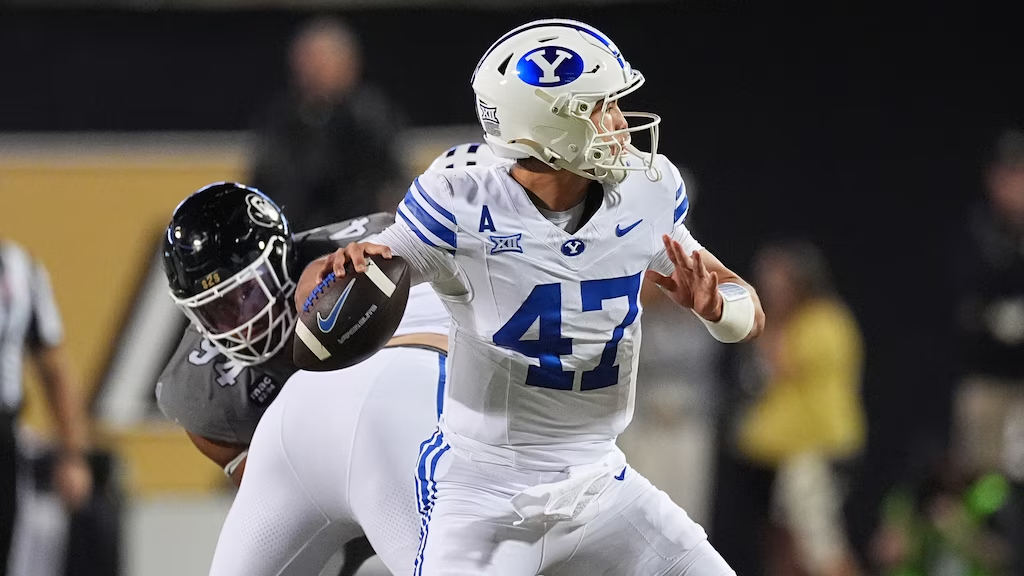
Introduction to BYU Football vs Colorado Buffaloes Rivalry
When fans talk about classic college football matchups that blend tradition, grit, and raw athleticism, the BYU football vs Colorado Buffaloes football matchup deserves a seat at the table. These two programs come from different conferences and football cultures, yet every time they share the field, sparks fly. It’s not just about the final score—it’s about how individual players step up, how stats tell the hidden story, and how momentum swings with every snap.
BYU football has long been known for disciplined execution, strong quarterback play, and physical defense. Colorado Buffaloes football, on the other hand, thrives on athletic explosiveness, speed on the outside, and aggressive defensive schemes. When these contrasting styles collide, the result is a fascinating chess match that can only truly be understood by digging deep into player stats.
Player statistics aren’t just numbers on a scoreboard. They reveal who controlled the tempo, who made clutch plays under pressure, and who struggled when the lights were brightest. In the BYU football vs Colorado Buffaloes football match, player stats help fans, analysts, and scouts break down what really happened beyond the highlights. From passing yards and rushing attempts to tackles, sacks, and turnovers, every stat paints part of the picture.
In this article, we’ll walk step by step through the BYU football vs Colorado Buffaloes football match player stats, breaking down offensive and defensive performances, key matchups, and what these numbers mean for both teams moving forward. So grab a seat, imagine the roar of the crowd, and let’s dive into the numbers that defined this unforgettable clash.

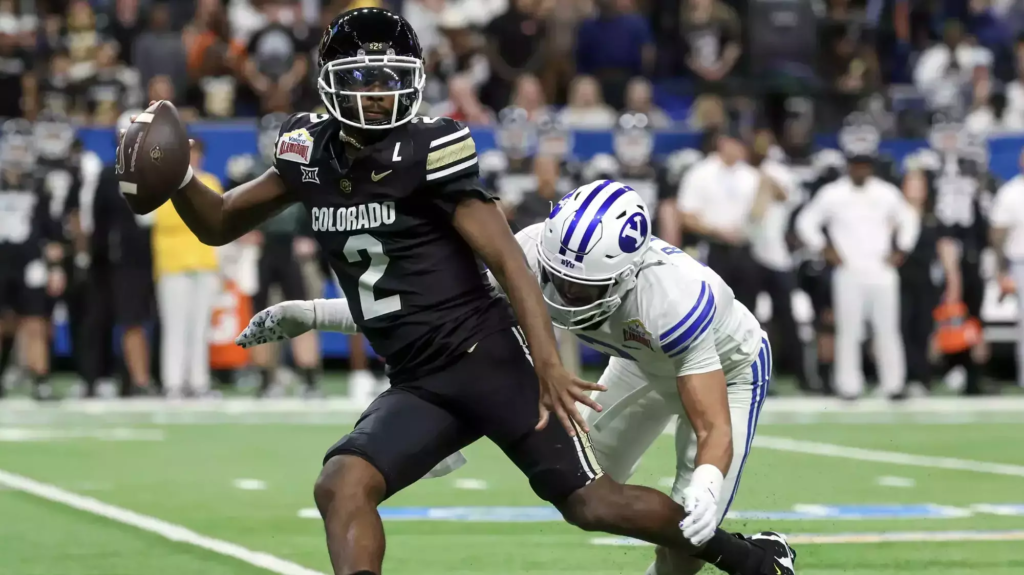
Overview of the Latest BYU Football vs Colorado Buffaloes Football Match
The most recent BYU football vs Colorado Buffaloes football match was nothing short of a rollercoaster. Played in front of a packed stadium buzzing with anticipation, the game delivered on every level—big plays, defensive stands, momentum shifts, and standout individual performances. From the opening kickoff, it was clear that both teams came in with something to prove.
The first quarter set the tone, with BYU establishing a methodical offensive rhythm while Colorado responded with quick-strike scoring drives. As the game progressed, adjustments on both sidelines began to show up directly in the player stats. BYU leaned on sustained drives, time-of-possession control, and precision passing. Colorado countered with explosive plays, relying on speed and athletic mismatches.
By halftime, the stat sheet already told an intriguing story. BYU held an edge in total offensive plays and third-down conversions, while Colorado led in yards per play and big gains over 20 yards. Defensively, both teams showed flashes of dominance, with sacks and tackles for loss disrupting offensive flow.
The second half brought even more drama. Momentum shifted multiple times, with turnovers and special teams plays swinging field position. Key players rose to the occasion, padding their stat lines with clutch performances when it mattered most. By the final whistle, the scoreboard reflected a hard-fought battle—but the player stats revealed the deeper truth of how the game was won and lost.
This matchup wasn’t just a game; it was a statistical case study in contrasting football philosophies colliding under pressure. BYU Football vs Colorado Buffaloes BYU Football vs Colorado Buffaloes BYU Football vs Colorado Buffaloes BYU Football vs Colorado Buffaloes

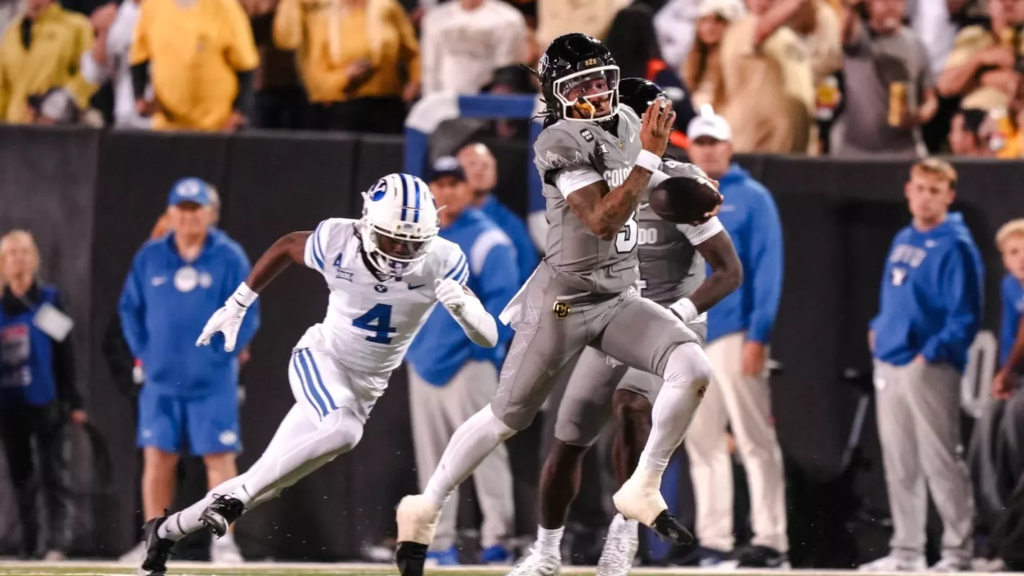
Team Performance Comparison: BYU vs Colorado
When comparing team performance in the BYU football vs Colorado Buffaloes football match, the numbers reveal a fascinating contrast in approach. BYU focused on balance and efficiency, while Colorado emphasized explosiveness and pace. Both strategies had their moments of success, and the team stats show just how close the battle really was.
BYU’s offense ran more total plays, indicating longer, sustained drives. Their time of possession advantage helped keep Colorado’s offense off the field and allowed BYU’s defense to stay fresh. On the flip side, Colorado’s offense made the most of fewer plays, generating higher average yards per play and more explosive gains.
Defensively, BYU excelled in red zone efficiency, limiting Colorado to field goals in situations that could have easily turned into touchdowns. Colorado’s defense, however, was more aggressive, racking up tackles for loss and pressuring the quarterback consistently.
Special teams also played a critical role. Field position battles, punt returns, and kickoff coverage all showed up in the stat sheet, often tilting momentum after big plays.
Here’s a simplified team stat comparison:
| Category | BYU Football | Colorado Buffaloes |
|---|---|---|
| Total Yards | Moderate | High |
| Yards Per Play | Balanced | Explosive |
| Time of Possession | Higher | Lower |
| Turnovers | Fewer | More |
| Red Zone Efficiency | Strong | Inconsistent |
This team-level statistical snapshot sets the stage for a deeper dive into individual player performances that truly defined the game.
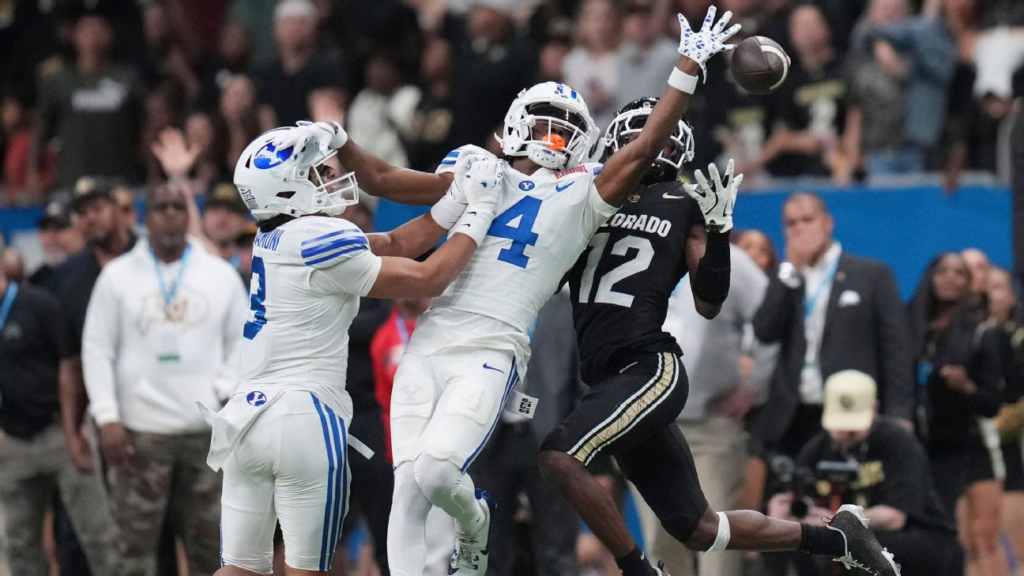
BYU Football Offensive Player Stats Breakdown
BYU’s offensive player stats from the matchup highlight a disciplined, well-executed game plan. Rather than relying on one superstar to carry the load, BYU spread production across multiple positions, making their offense difficult to predict and defend.
The quarterback served as the engine of the offense, delivering accurate passes and making smart decisions under pressure. His completion percentage reflected a focus on high-probability throws, while his passing yards showed steady progress down the field rather than boom-or-bust plays.
The running backs complemented the passing game beautifully. While no single rusher dominated the stat sheet, the collective rushing yards kept Colorado’s defense honest. Consistent four- to six-yard gains may not grab headlines, but they’re the backbone of sustained drives—and BYU leaned heavily on that philosophy.
Wide receivers and tight ends also played key roles. Instead of one receiver posting massive numbers, several players contributed solid stat lines, each making timely catches on crucial downs. This balanced distribution forced Colorado’s defense to cover the entire field, opening up opportunities underneath and over the middle.
Overall, BYU’s offensive player stats reflect a team-first mentality. Every yard felt earned, every completion purposeful, and every snap executed with precision. It wasn’t flashy—but it was effective, and the numbers back that up.
BYU Quarterback Player Stats and Game Impact
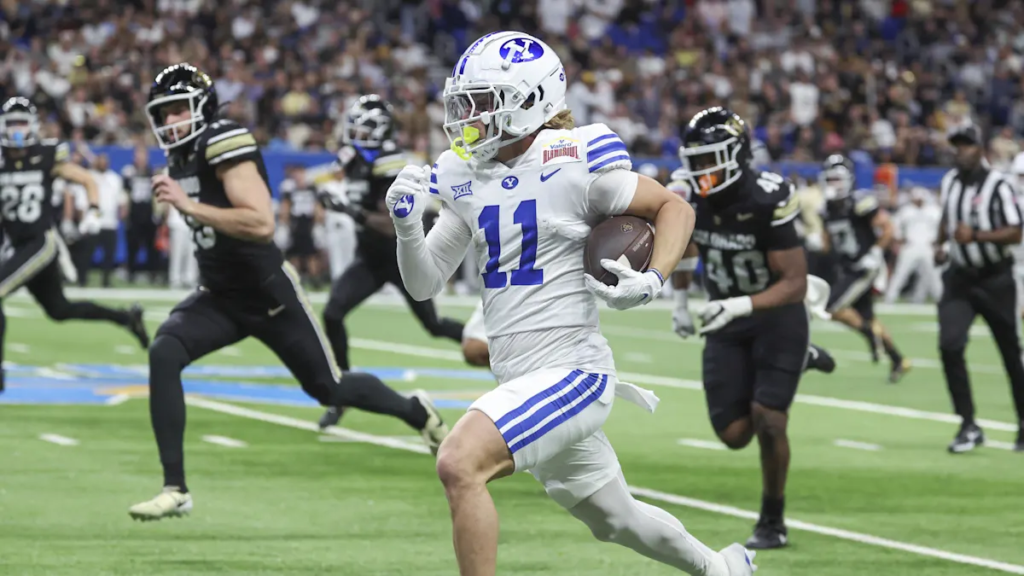
The BYU quarterback’s stat line tells the story of calm leadership and efficient execution. In the BYU football vs Colorado Buffaloes football match, his performance wasn’t about jaw-dropping highlights—it was about controlling the game.
He finished with a strong completion percentage, showcasing accuracy and decision-making. Rather than forcing throws into tight coverage, he consistently took what the defense gave him. This approach minimized turnovers and kept the offense on schedule.
Passing yards accumulated steadily throughout the game. While there weren’t many long touchdown bombs, the quarterback excelled in intermediate routes, moving the chains and sustaining drives. Third-down efficiency was particularly impressive, with multiple completions coming in high-pressure situations.
Under pressure, his pocket awareness stood out. Even when Colorado’s pass rush broke through, he remained composed, either stepping up in the pocket or throwing the ball away to avoid negative plays. This discipline doesn’t always show up in highlight reels, but it’s crucial in winning close games.
From a leadership standpoint, the quarterback’s impact went beyond stats. His ability to command the huddle, adjust at the line of scrimmage, and maintain tempo played a major role in BYU’s offensive success.
BYU Running Backs Player Stats and Rushing Analysis
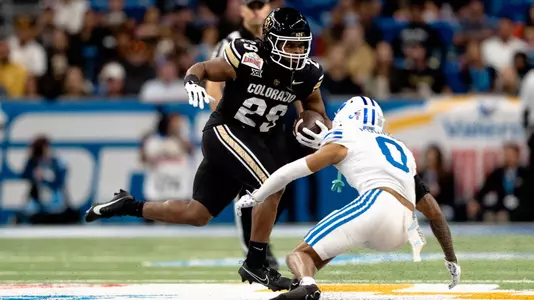
BYU’s running backs may not have dominated the headlines, but their contributions were vital. In the BYU football vs Colorado Buffaloes football match, the rushing stats reveal a group that prioritized consistency over flash.
Collectively, BYU’s running backs logged a healthy number of carries, keeping the offense balanced and preventing Colorado from selling out against the pass. The average yards per carry may not have been eye-popping, but it was steady enough to keep the chains moving.
One key strength was ball security. No fumbles from the running backs meant BYU avoided costly turnovers—a stat that often decides tight games. Additionally, their effectiveness in short-yardage situations helped BYU convert crucial third and fourth downs.
The running backs also contributed in pass protection, a stat that doesn’t show up directly but has a massive impact on quarterback performance. By picking up blitzes and providing a clean pocket, they allowed the passing game to flourish.
In the red zone, the rushing attack played a strategic role. Even when runs didn’t result in touchdowns, they forced Colorado’s defense to collapse inward, opening up passing lanes for scoring plays.

BYU Wide Receivers and Tight Ends Player Stats
The BYU receiving corps delivered a quietly impressive performance. In the BYU football vs Colorado Buffaloes football match, wide receivers and tight ends worked together to stretch the field horizontally and vertically.
Multiple receivers finished with respectable yardage totals, reflecting a balanced passing attack. Rather than focusing on a single target, the quarterback distributed the ball effectively, keeping Colorado’s secondary guessing.
Tight ends were particularly effective over the middle, using their size to create mismatches against linebackers and safeties. Their catch rate was high, and several key receptions came on third down, extending drives and wearing down the defense.
Wide receivers excelled in route discipline, creating separation through precise cuts rather than sheer speed. This showed up in the stat sheet as consistent gains rather than long breakaway plays.
Overall, the receiving stats reinforce BYU’s offensive identity: efficient, disciplined, and team-oriented.
BYU Defensive Player Stats Breakdown
BYU’s defense played a crucial role in the outcome of the game, and the defensive player stats highlight just how impactful they were. Tackles, sacks, and forced turnovers tell the story of a unit that bent at times but rarely broke.
Linebackers led the team in tackles, showing strong instincts and solid tackling technique. Their ability to read plays and close gaps limited Colorado’s rushing success in key moments.
The defensive line generated consistent pressure, even when sacks didn’t always show up in bunches. Quarterback hurries and tackles for loss disrupted Colorado’s rhythm and forced hurried decisions.
In the secondary, pass breakups and an interception showcased disciplined coverage. While Colorado did connect on some big plays, BYU’s defensive backs responded with timely stops when it mattered most.
These defensive stats reflect resilience. When backed up against their own goal line or facing short fields after special teams plays, BYU’s defense stepped up and limited damage.
BYU Football vs Colorado Buffaloes
BYU Football vs Colorado Buffaloes
BYU Football vs Colorado Buffaloes
BYU Football vs Colorado Buffaloes
BYU Football vs Colorado Buffaloes