


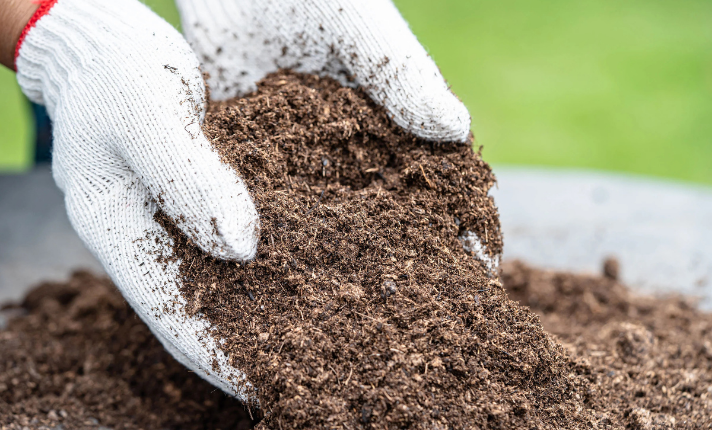
When it comes to successful gardening, everything starts with garden soil. No matter how high-quality your seeds or plants are, poor soil can limit growth, reduce yields, and weaken plant health. Garden soil is more than just dirt—it’s a living ecosystem that provides nutrients, water, and support to plants. Understanding and improving your garden soil is one of the most important steps toward a lush, productive garden.
What Is Garden Soi?
Garden soi is a balanced mixture of minerals, organic matter, water, air, and microorganisms. Unlike regular dirt, good garden soi is rich in nutrients and has the right structure to support plant roots. It allows water to drain properly while still retaining enough moisture for plants to thrive.
Healthy garden soi typically contains:
- Sand (for drainage)
- Silt (for moisture retention)
- Clay (for nutrient holding)
- Organic matter (for fertility and soil life)

Why Garden Soi Quality Matters
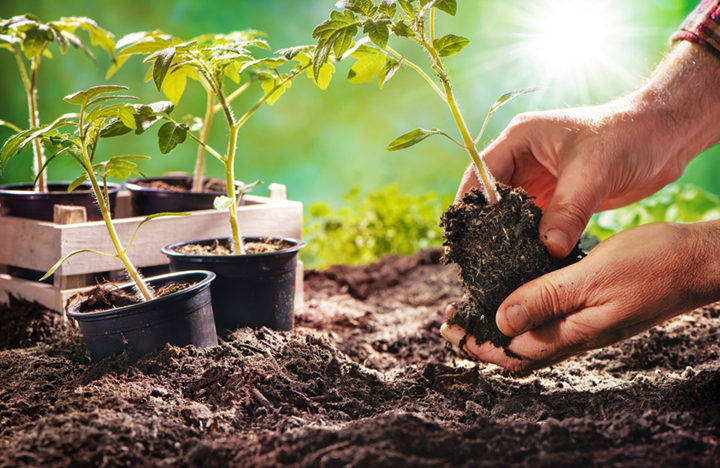
The quality of garden soi directly affects plant growth. Nutrient-rich soil helps plants develop strong roots, healthy leaves, and vibrant flowers or fruits. Poor soil, on the other hand, can cause slow growth, yellowing leaves, and increased susceptibility to pests and diseases.
Good garden soi:
- Improves nutrient absorption
- Enhances root development
- Supports beneficial microbes
- Increases drought resistance
- Boosts overall plant productivity
Types of Garden Soi
Understanding your soil type helps you choose the right plants and amendments.
Sandy Soil
- Drains quickly
- Warms up fast
- Low nutrient retention
Clay Soil
- Holds nutrients well
- Retains water
- Can become compacted
Loamy Soil (Ideal Garden Sol)
- Balanced texture
- Good drainage and moisture retention
- Rich in organic matter
How to Improve Garden Sil Naturally
Improving garden sol doesn’t require expensive products. Simple, natural methods can make a big difference.

Add Organic Matter
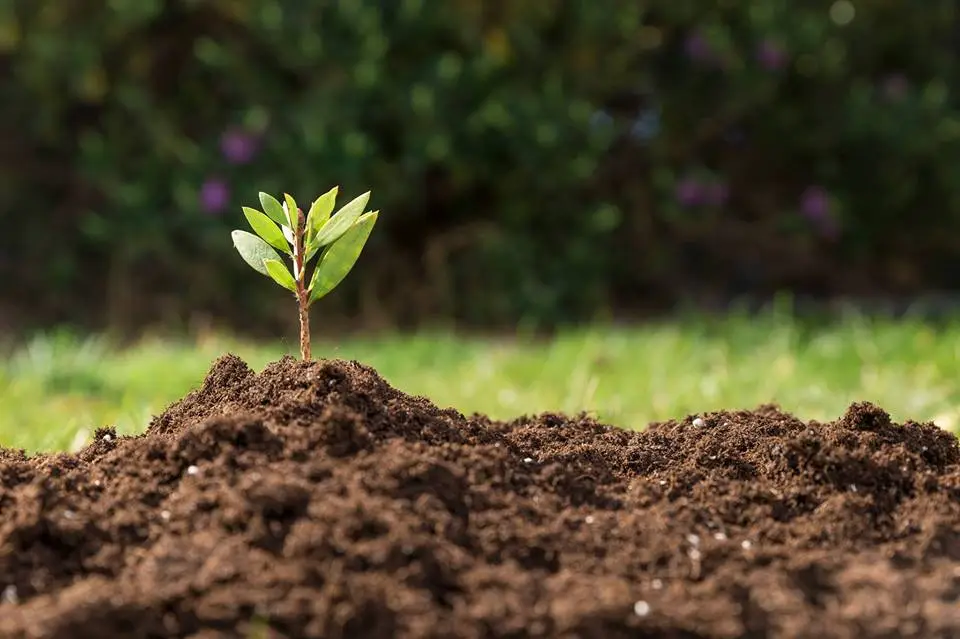
Compost, manure, leaf mold, and kitchen scraps enrich garden soil and improve structure.
Mulching
Mulch protects soil from erosion, retains moisture, and adds nutrients as it breaks down.
Crop Rotation
Rotating crops prevents nutrient depletion and reduces soil-borne diseases.
Avoid Over-Tilling
Too much tilling can damage soil structure and harm beneficial organisms.
Testing Your Garden Sol
A soil test helps you understand nutrient levels and pH balance. Testing allows you to:
- Identify deficiencies
- Adjust pH levels
- Apply the right fertilizers
Most plants grow best in slightly acidic to neutral garden soi (pH 6.0–7.0).
Best Plants for Healthy Garden Soil
Some plants actually improve garden sol:
- Legumes (fix nitrogen)
- Cover crops (prevent erosion)
- Deep-rooted plants (break compacted soil)
Understanding the Structure of Garden Soil
The structure of garden soil refers to how soil particles bind together to form aggregates. Good soil structure allows roots to grow freely, water to move efficiently, and air to circulate underground. Poor structure can lead to compacted soil, waterlogging, or rapid drying.
Healthy garden soil has a crumbly texture. When you squeeze it in your hand, it should hold together lightly and then fall apart easily. This structure helps roots spread, absorb nutrients, and access oxygen.
Key Benefits of Good Soil Structure
- Better root penetration
- Improved water infiltration
- Reduced erosion
- Increased microbial activity
Improving structure takes time, but adding organic matter regularly is the most effective solution.
The Role of Organic Matter in Garden Soil
Organic matter is the heart of fertile garden soil. It comes from decomposed plant material, compost, animal manure, and natural waste. Even a small increase in organic matter can dramatically improve soil health.
Why Organic Matter Matters
- Feeds beneficial microorganisms
- Improves nutrient availability
- Enhances moisture retention
- Balances soil temperature
Aim for garden soil with at least 5% organic matter for optimal plant growth.
Microorganisms: The Living Side of Garden Soil
Garden soil is alive. Billions of microorganisms—including bacteria, fungi, and earthworms—work together to break down organic matter and release nutrients.
Beneficial Soil Life Includes
- Bacteria: Convert nutrients into plant-available forms
- Fungi: Improve nutrient transport and root health
- Earthworms: Aerate soil and enrich it with castings
Avoid chemical overuse, as it can harm these beneficial organisms.
Garden Soil pH and Its Importance
Soil pH determines how easily plants can absorb nutrients. Even nutrient-rich garden soil can become ineffective if the pH is unbalanced.
pH Ranges
| pH Level | Soil Type | Plant Growth |
|---|---|---|
| Below 6.0 | Acidic | Limited nutrients |
| 6.0–7.0 | Neutral | Ideal for most plants |
| Above 7.5 | Alkaline | Nutrient lock-up |
How to Adjust pH
- Add lime to raise pH
- Add sulfur or compost to lower pH
Regular testing ensures long-term soil balance.
Seasonal Care for Garden Soil
Garden soil changes throughout the year, and seasonal care keeps it productive.
Spring
- Add compost
- Light tilling if needed
- Prepare beds
Summer
- Mulch heavily
- Prevent soil drying
- Avoid compaction
Autumn
- Add organic amendments
- Plant cover crops
- Remove old plant debris
Winter
- Protect soil with mulch
- Avoid walking on wet soil
Common Garden Soil Problems and Solutions
Compacted Soil
Problem: Roots struggle to grow
Solution: Add compost, use broadforks, plant deep-rooted crops
Poor Drainage
Problem: Waterlogged soil
Solution: Raised beds, organic matter, sand (carefully)
Low Fertility
Problem: Weak plant growth
Solution: Compost, manure, natural fertilizers
Conclusion
Garden soi is the true backbone of any successful garden. By understanding its composition, improving its quality, and maintaining its health, you create the perfect environment for plants to grow strong and productive. Whether you’re growing vegetables, flowers, or herbs, investing time in improving your garden soil will always pay off in the long run.