






Health for Life: Building Habits That Support Long-Term Well-Being
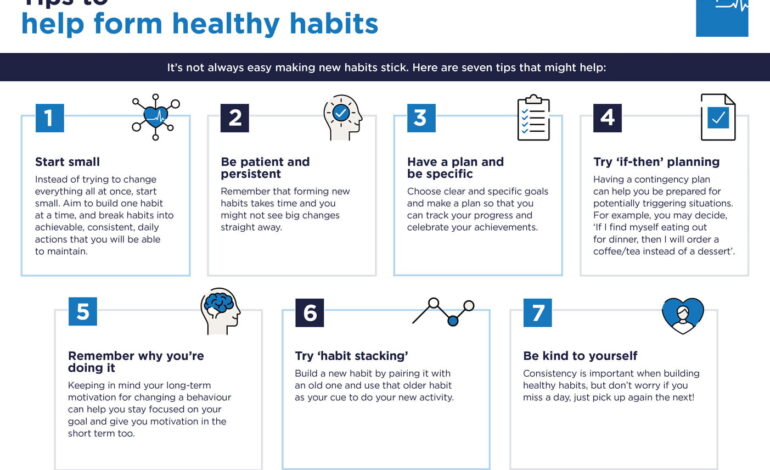

When we talk about success, happiness, or personal growth, one foundation supports them all: health for life. True health is not about short-term diets or temporary fitness goals. It is about creating sustainable habits that support your body and mind for years to come. Health for life means caring for yourself consistently—physically, mentally, and emotionally—so you can live fully at every stage of life.
What Does Health for Life Really Mean?
Health for life is a long-term commitment to overall well-being. It goes beyond avoiding illness; it focuses on living with energy, balance, and purpose. This approach recognizes that health is not one-dimensional. It includes:
- Physical fitness
- Mental clarity
- Emotional stability
- Healthy relationships
- Lifestyle balance
Rather than chasing perfection, health for life is about progress and consistency.
The Importance of Daily Habits
Small daily habits have the greatest impact on lifelong health. What you do every day matters more than what you do occasionally. Simple actions—like drinking enough water, getting enough sleep, and moving your body—build a strong foundation for health for life.
Key daily habits include:
- Regular physical activity
- Balanced nutrition
- Proper sleep routines
- Stress management
- Mindful living
These habits compound over time, leading to lasting results.
Nutrition as the Core of Health for Life
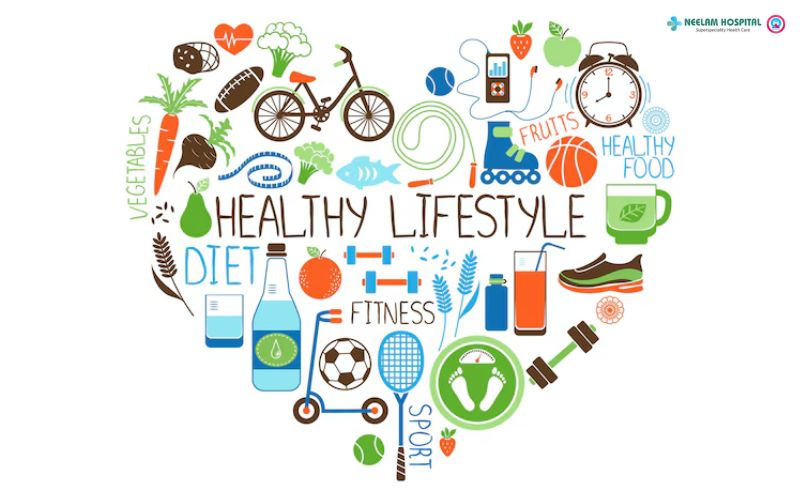
Food is fuel, information, and medicine for the body. A health-for-life mindset focuses on nourishment rather than restriction. Instead of extreme diets, it encourages balanced meals that provide essential nutrients.
A health-focused diet includes:
- Whole foods (fruits, vegetables, whole grains)
- Lean proteins
- Healthy fats
- Limited processed foods
Consistency matters more than perfection. Enjoying food while making mindful choices supports health for life without stress.
Physical Activity for Every Stage of Life
Movement is essential for maintaining strength, flexibility, and mental well-being. Health for life does not require intense workouts—it requires regular movement that fits your lifestyle.
Examples include:
- Walking or jogging
- Strength training
- Yoga or stretching
- Sports or recreational activities
Staying active improves heart health, supports metabolism, and boosts mood.
Mental Health and Emotional Balance
Mental well-being is just as important as physical health. Stress, anxiety, and burnout can quietly affect long-term health. A health-for-life approach includes caring for your mind through:
- Mindfulness or meditation
- Taking breaks when needed
- Building supportive relationships
- Setting healthy boundaries
A calm and focused mind improves decision-making, productivity, and overall happiness.
Preventive Care and Self-Awareness
Prevention is a key pillar of health for life. Regular check-ups, health screenings, and listening to your body can help detect issues early. Understanding your body’s signals allows you to act before small problems become serious conditions.
Preventive care includes:
- Routine medical checkups
- Balanced work-life schedules
- Avoiding harmful habits
- Prioritizing rest and recovery
Lifestyle Choices That Shape Health for Life
Your environment and lifestyle choices play a major role in long-term health. Reducing harmful habits such as smoking, excessive alcohol consumption, and chronic stress can dramatically improve quality of life.
Positive lifestyle choices include:
- Maintaining a healthy routine
- Staying socially connected
- Managing screen time
- Spending time outdoors
These choices support both physical and emotional well-being.
Health for Life Is a Personal Journey
Everyone’s path to health for life looks different. Age, background, goals, and circumstances all matter. The key is to focus on what works for you and make gradual improvements instead of drastic changes.
Health for life is not a destination—it’s a journey built on patience, self-respect, and commitment.
The Connection Between Health for Life and Longevity
One of the biggest benefits of focusing on health for life is increased longevity with better quality of living. Living longer is not enough—living healthier matters more. When the body is nourished properly, the mind remains active, and stress is managed effectively, the risk of chronic diseases decreases significantly.
Long-term health reduces the likelihood of conditions such as:
- Heart disease
- Diabetes
- High blood pressure
- Obesity
- Mental health disorders
Health for life supports not just more years, but more meaningful, energetic years.
Sleep: The Most Underrated Pillar of Health for Life
Sleep is often ignored, yet it plays a critical role in long-term health. Poor sleep habits weaken the immune system, increase stress levels, and affect concentration and mood. A health-for-life lifestyle prioritizes sleep as much as nutrition and exercise.
Benefits of Quality Sleep
- Improves memory and focus
- Supports immune function
- Enhances emotional stability
- Regulates hormones and metabolism
Adults should aim for 7–9 hours of quality sleep per night to maintain health for life.
Stress Management and Its Role in Health for Life
Chronic stress silently damages the body over time. It affects digestion, sleep, heart health, and emotional balance. Managing stress is essential for long-term well-being.
Effective Stress-Reduction Strategies
- Deep breathing exercises
- Time management
- Physical activity
- Limiting negative influences
- Practicing gratitude
Reducing stress supports both mental clarity and physical resilience.
Conclusion
Health for life is the most valuable investment you can make. By focusing on balanced nutrition, regular movement, mental well-being, and mindful lifestyle choices, you create a strong foundation for a fulfilling future. Start small, stay consistent, and remember that every positive choice you make today supports a healthier, stronger tomorrow.